
What to Put on Heat Rash: The Best Ways to Soothe It Fast
Share
Got an itchy, prickly, red rash after being hot or sweaty? Wondering what you can actually put on it to make it feel better?
Heat rash, also known as prickly heat or miliaria, is incredibly common during hot weather. It can appear on the neck, chest, back, under the breasts, between the thighs, around the waist or anywhere that gets hot, sweaty and irritated.
The good news is that most heat rash settles once the skin is cooled and the cause of the sweating is removed.
Choosing what to put on irritated skin matters too.
Some products can help soothe and support uncomfortable skin, while heavily fragranced or unsuitable products can cause further irritation.
If you're looking for a gentle cream for dry, irritated or uncomfortable skin, here's what to know.
What exactly is heat rash?
Heat rash happens when sweat ducts become blocked and sweat becomes trapped beneath the surface of the skin.
This can cause:
- Small red bumps
- Itching
- A prickling or stinging sensation
- Redness
- Irritated or inflamed skin
- Small fluid-filled bumps in some cases
It's particularly common during hot weather, after exercise, when wearing tight clothing or anywhere that sweat and friction build up.
The first step is simple:
Cool the skin and stop adding more heat.
So, what should you put on heat rash?
If you're dealing with heat rash, start with the basics.
1. Cool the skin first
Before reaching for a cream, get somewhere cool.
A cool shower or cool, damp flannel can help reduce heat and discomfort.
Pat the skin dry rather than rubbing it.
Avoid very hot showers, vigorous exfoliation and scrubbing. Irritated skin needs a break.
2. Keep the area cool and dry
Wear loose, breathable clothing and avoid anything that traps heat against the skin.
If the heat rash is between the thighs, under the breasts or around the waist, reducing friction and allowing air to reach the skin can help.
3. Be careful with what you apply
When skin is red, itchy and irritated, it can be tempting to reach for the thickest, richest cream available.
That isn't always the best approach for active heat rash.
Heat rash is associated with blocked sweat ducts, so covering an already hot and sweaty area with lots of heavy product may not be helpful.
Avoid:
- Strongly fragranced creams
- Perfumed body products
- Harsh exfoliants
- Scrubs
- Essential oils directly on irritated skin
- Products that sting when applied
Instead, look for a simple formula designed to soothe and support irritated skin.
Can you use a moisturiser on heat rash?
It depends on the condition of the skin.
If the area is actively hot, sweaty and covered in tiny bumps, prioritise cooling the skin and allowing it to breathe.
Once the heat and sweating have settled, irritated skin can benefit from gentle moisturisation, particularly if it feels dry, tight or sore.
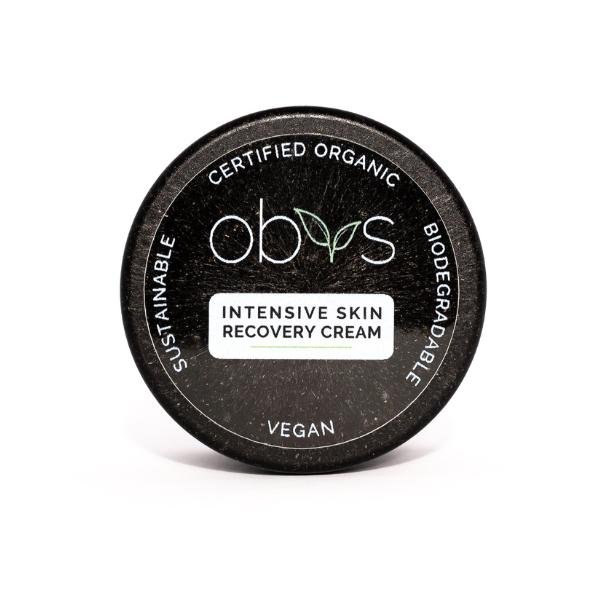
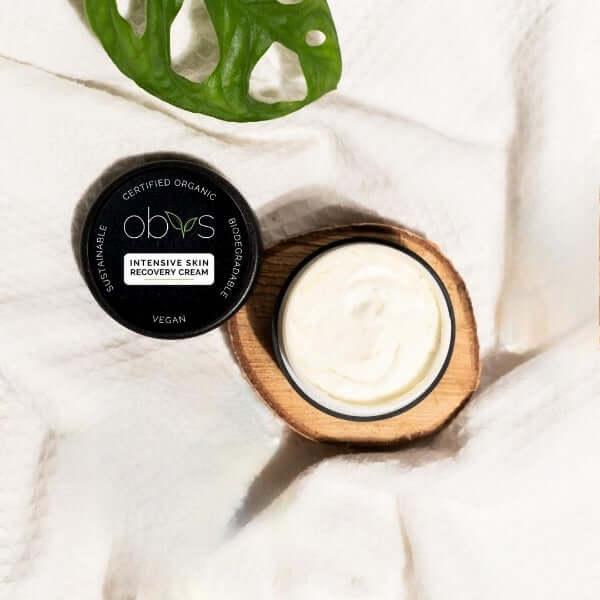
Intensive Skin Recovery Cream
Intensive Skin Recovery Cream is formulated for dry, irritated and sensitive skin that needs extra care.
The concentrated formula contains carefully selected plant-based ingredients designed to soothe uncomfortable skin and support the skin barrier.
It's suitable for skin that feels:
- Dry
- Sore
- Tight
- Irritated
- Itchy
- Sensitive
- Compromised
For skin that has been irritated by heat, sweat or friction, Intensive Skin Recovery Cream can be used once the skin has been cooled and dried, particularly where dryness or discomfort remains.
SHOP INTENSIVE SKIN RECOVERY CREAM →
What about calamine lotion?
Calamine is a traditional option for itchy skin and can provide soothing relief for some types of irritation.
It isn't suitable for every skin situation, though.
If the main problem is heat rash, cooling the skin and reducing sweating remain important steps.
If the skin is left dry, tight or uncomfortable afterwards, a suitable moisturising cream can help support the skin barrier.
Can aloe vera help heat rash?
Aloe vera is often recommended for hot, irritated skin because of its cooling feel.
If choosing an aloe product, check the full ingredient list.
A product marketed as "aloe vera" can contain much more than aloe, including fragrance, alcohol or other ingredients that may not be ideal for irritated skin.
Natural doesn't automatically mean suitable for irritated skin.
The finished formula still matters.
What about hydrocortisone cream?
Hydrocortisone is a medicinal corticosteroid used to reduce inflammation and itching in certain skin conditions.
It's different from an ordinary skincare cream.
If you're considering hydrocortisone, particularly for a child, on broken skin, over a large area or for repeated use, speak to a pharmacist or GP first.
A cosmetic moisturiser should not replace medical treatment when a medical condition requires it.
How to get rid of heat rash quickly
There isn't a magic cream that instantly removes heat rash.
The most effective approach is to tackle the things that caused it in the first place.
Step 1 — Cool down
Get out of the heat and take a cool shower or use a cool damp cloth.
Step 2 — Dry gently
Pat the skin dry. Don't rub.
Step 3 — Let the skin breathe
Wear loose, breathable clothing and avoid unnecessary friction.
Step 4 — Stop adding irritants
Put the scrubs, heavily fragranced body lotions and complicated skincare routine away for now.
Step 5 — Soothe and support the skin
Once the skin has cooled, use a suitable gentle moisturiser if the skin feels dry, sore or irritated.
Intensive Skin Recovery Cream is designed for exactly this type of skin SOS.
SHOP INTENSIVE SKIN RECOVERY CREAM →
Heat rash between the thighs
Heat rash and irritation between the thighs can be particularly uncomfortable because heat, sweat and friction all occur in the same area.
The first thing to tackle is friction.
Loose clothing can help, as can keeping the area cool and dry.
Avoid applying lots of thick products to an actively sweaty area. Once the skin has cooled and dried, a gentle cream can help if the skin has become dry or uncomfortable.
Heat rash under the breasts
The skin underneath the breasts can become hot and sweaty during warmer weather.
Cooling and drying the area is important.
Choose breathable clothing and avoid fragranced products on already-irritated skin.
If the area becomes increasingly painful, cracked, weepy, develops an unusual smell or doesn't improve, speak to a GP or pharmacist. Not every rash in a skin fold is heat rash.
When should you get medical advice?
Most straightforward cases of heat rash improve within a few days once the skin is kept cool and the trigger is removed.
Get medical advice if:
- The rash is getting worse rather than better
- It becomes very painful
- You develop a fever
- There is pus or significant oozing
- The skin becomes increasingly swollen or warm
- The rash keeps coming back
- You're unsure whether it is actually heat rash
- It doesn't improve after several days
Several different conditions can look like heat rash, including eczema, contact dermatitis, fungal infections and some forms of sun-related rash.
When in doubt, get it checked.
Looking for a gentle cream for irritated skin?
Once the heat has been dealt with, skin can be left feeling dry, sore, itchy or irritated.
That's where Intensive Skin Recovery Cream can help.
A concentrated, plant-based formula designed to soothe uncomfortable skin and support the skin barrier.
No complicated skincare routine required.
Just soothe. Support. Recover.
Ready to give irritated skin some extra care?
SHOP INTENSIVE SKIN RECOVERY CREAM →
Frequently Asked Questions
What is the best cream for heat rash?
The best option depends on what is causing the rash and how irritated the skin is. Cooling the skin and reducing sweating are important first steps. For dry, sore or irritated skin after heat exposure, a gentle moisturising cream designed for sensitive skin can help support the skin barrier.
Can I put moisturiser on heat rash?
If the skin is actively hot and sweaty, focus on cooling and drying it first. Once the skin has cooled, a gentle moisturiser may help if the skin feels dry or uncomfortable.
Does heat rash go away on its own?
Most uncomplicated heat rashes improve within a few days once the skin is kept cool and the trigger is removed.
How long does heat rash last?
Many cases improve within a few days. If the rash persists, becomes painful, spreads or develops signs of infection, seek medical advice.
Can Intensive Skin Recovery Cream be used on heat rash?
Intensive Skin Recovery Cream is designed to soothe and support dry, irritated and sensitive skin. If dealing with active heat rash, cool the skin and remove the heat and sweat trigger first. Once the skin has cooled, the cream can be used where the skin is dry, sore or irritated.
Is heat rash the same as sun rash?
No. Heat rash is associated with blocked or irritated sweat ducts, whereas sun rashes can involve different reactions to sunlight. If you're unsure which type of rash you have, particularly if it appears after sun exposure, it's worth getting medical advice.
Skin feeling dry, sore or irritated after the heat?
Give it some serious TLC.
SHOP INTENSIVE SKIN RECOVERY CREAM →